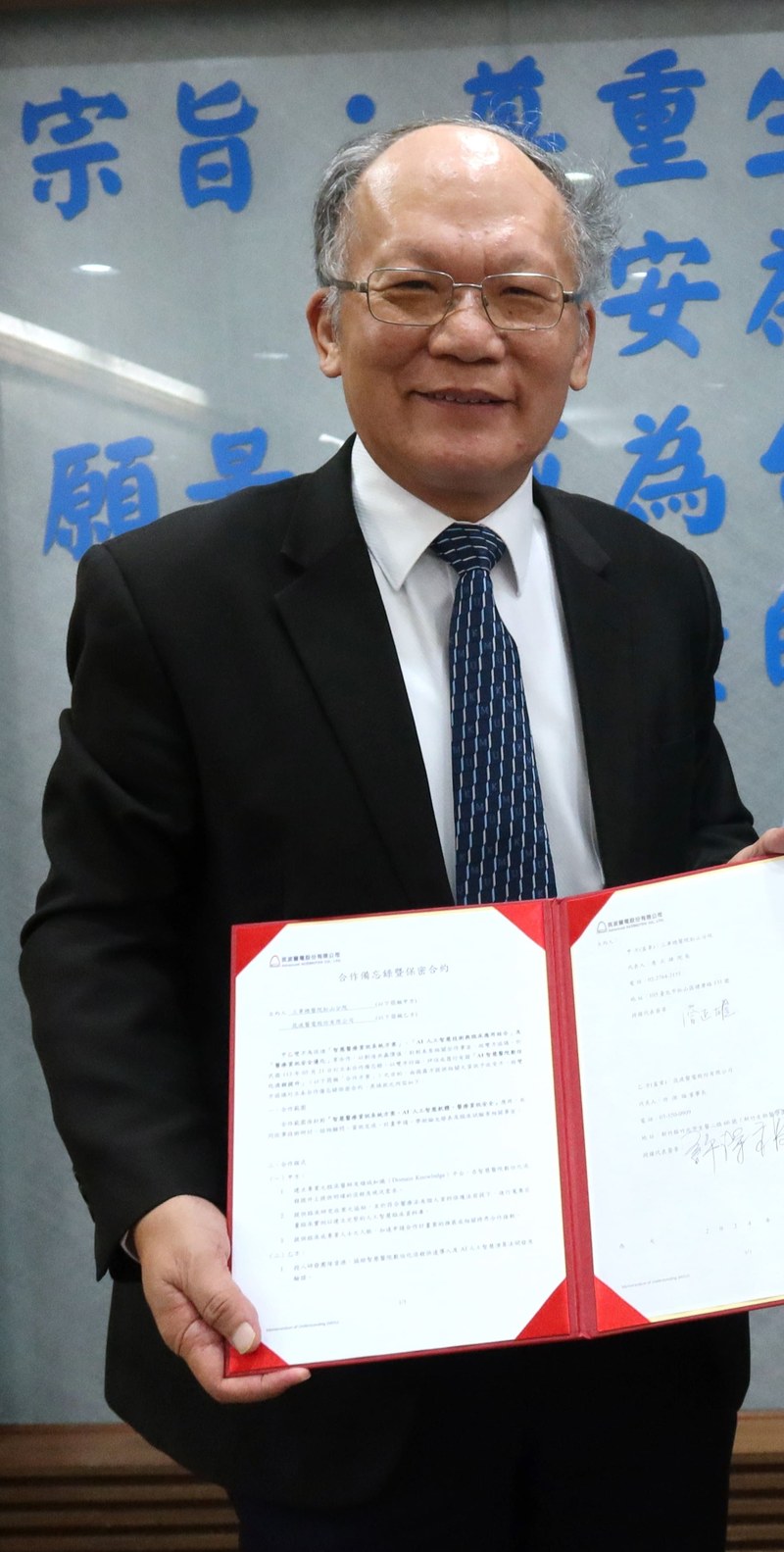
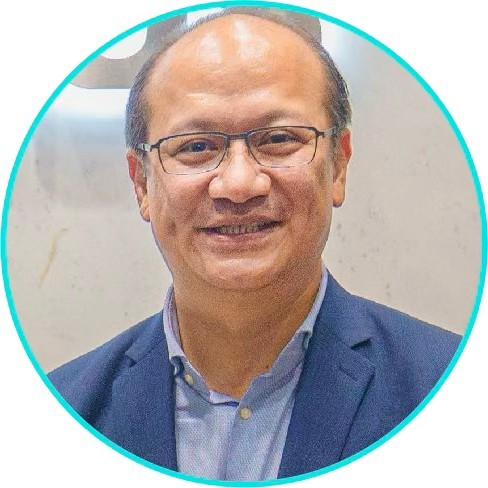
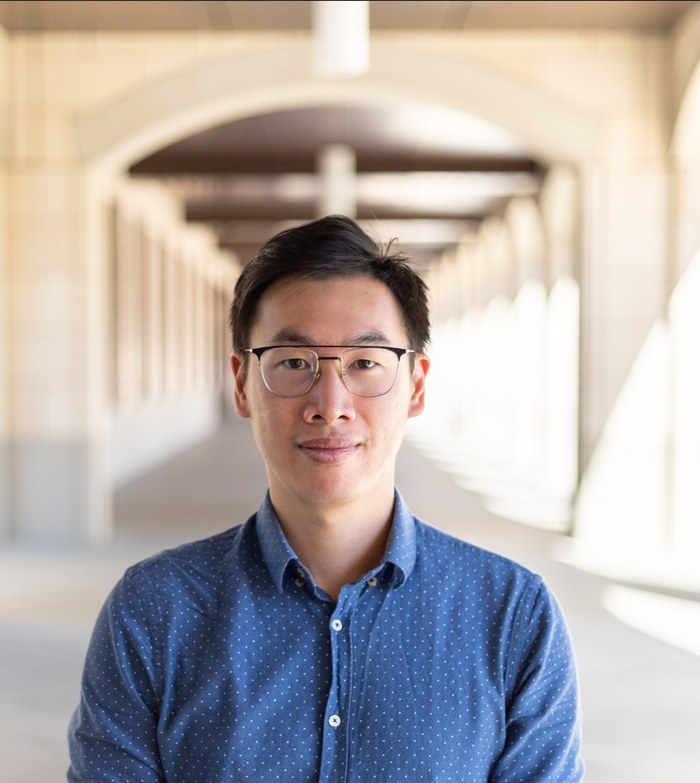
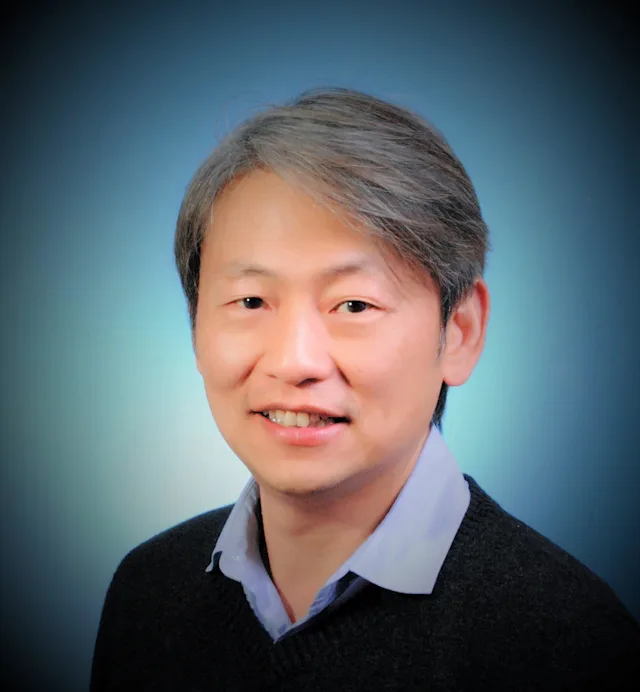
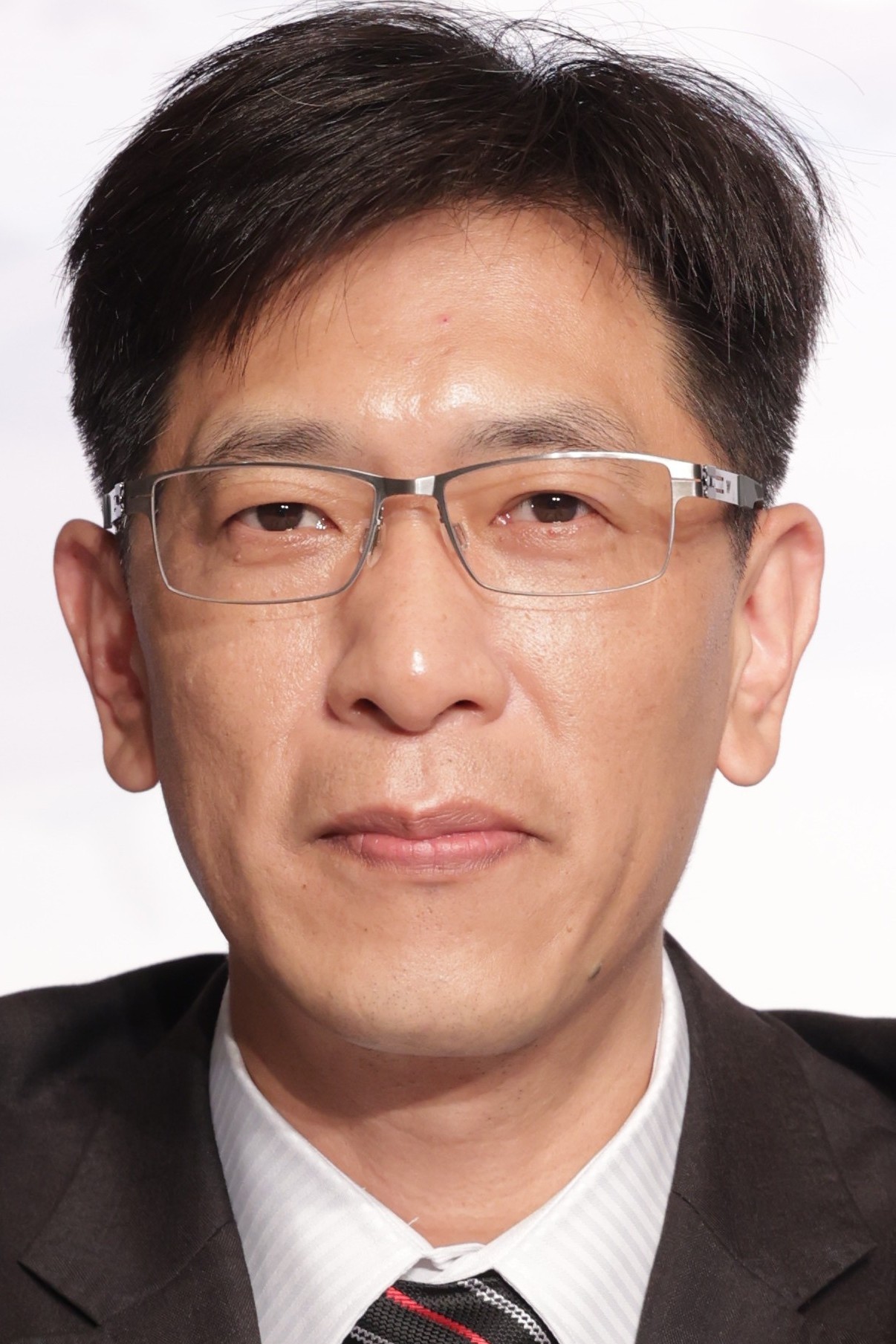
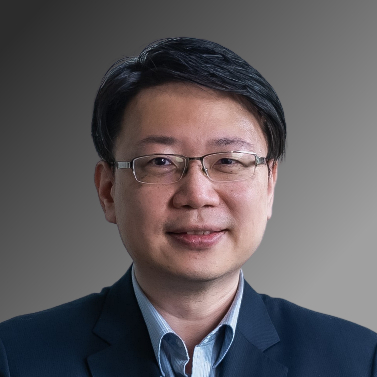
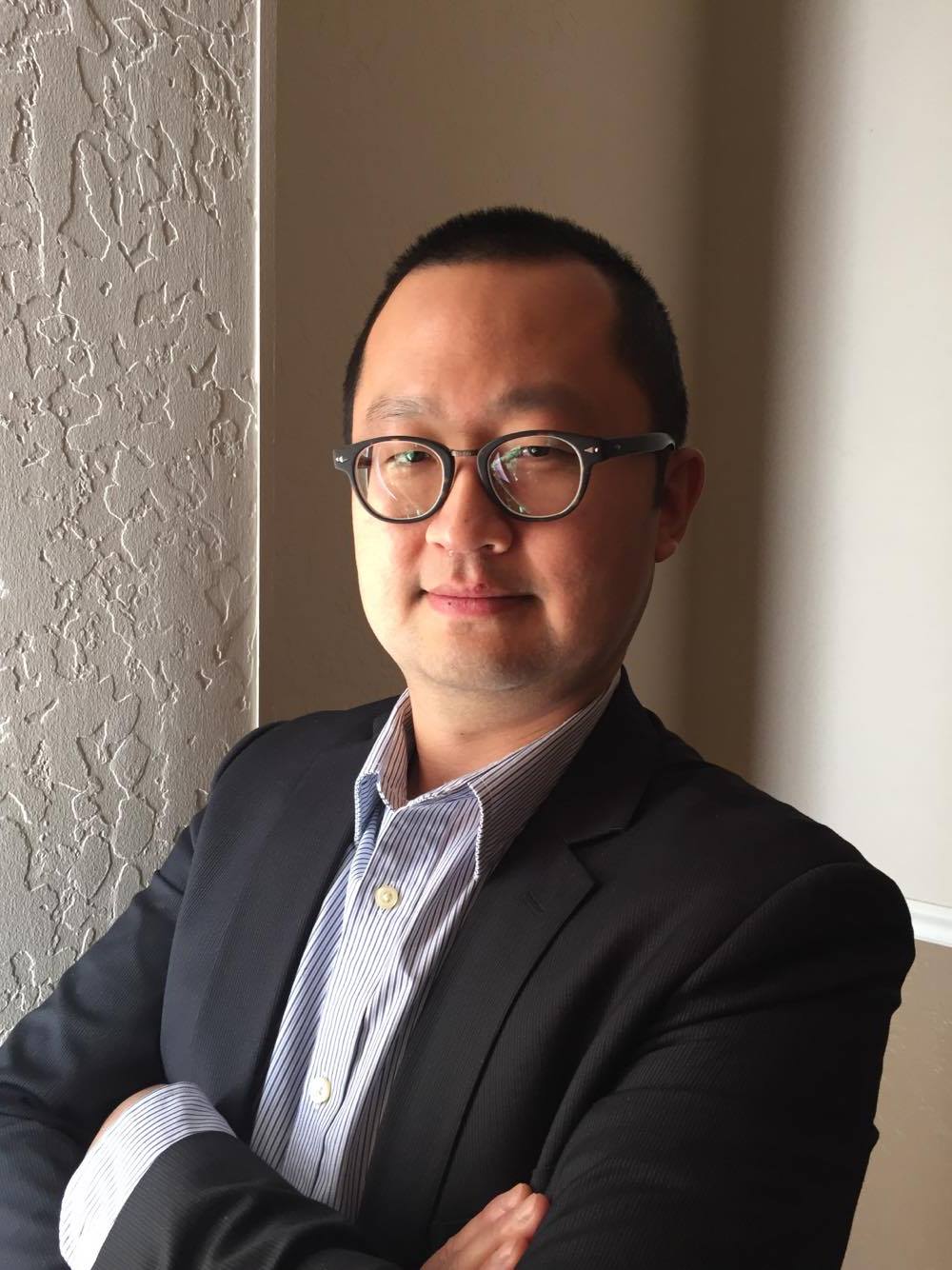
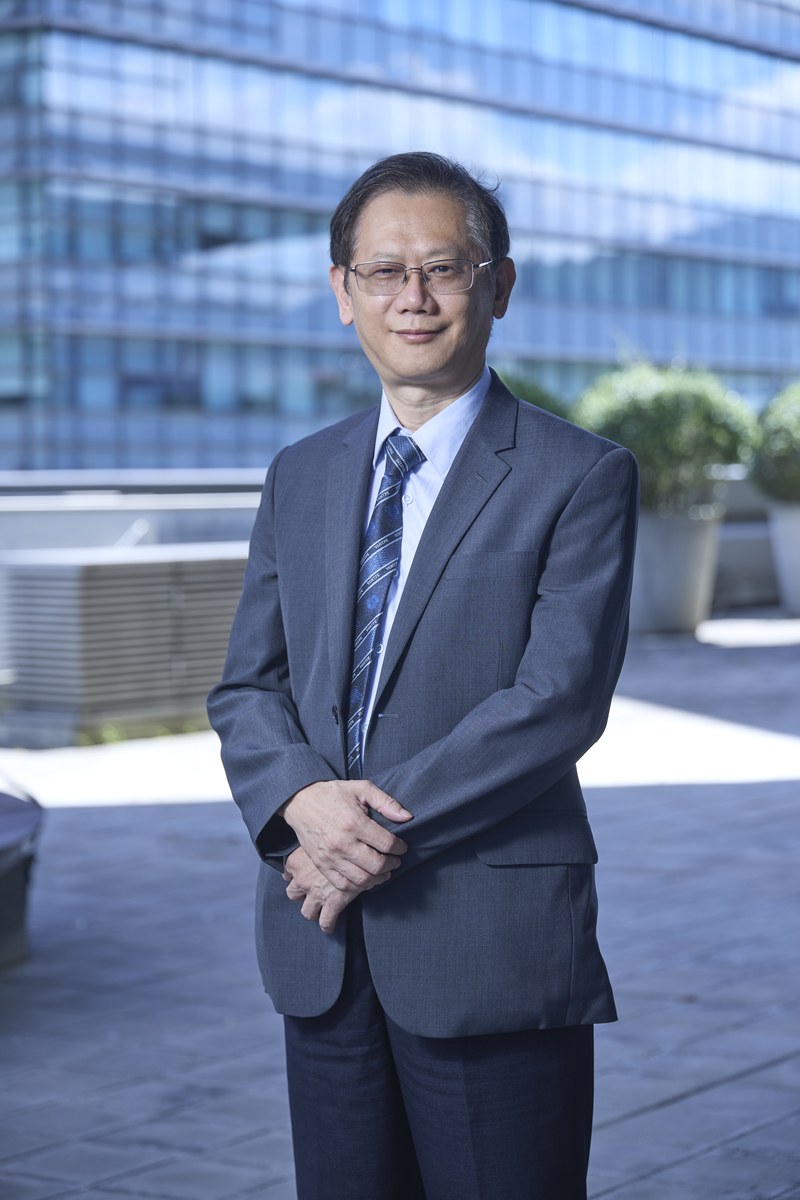
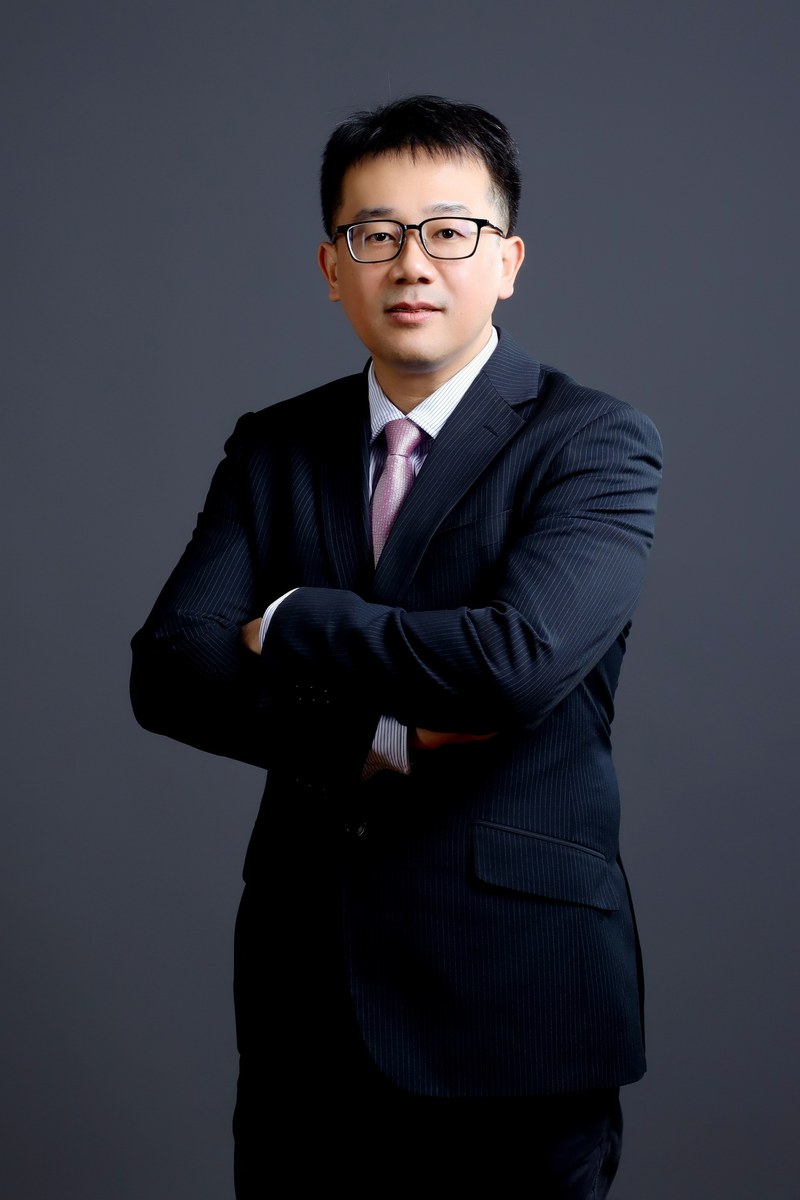
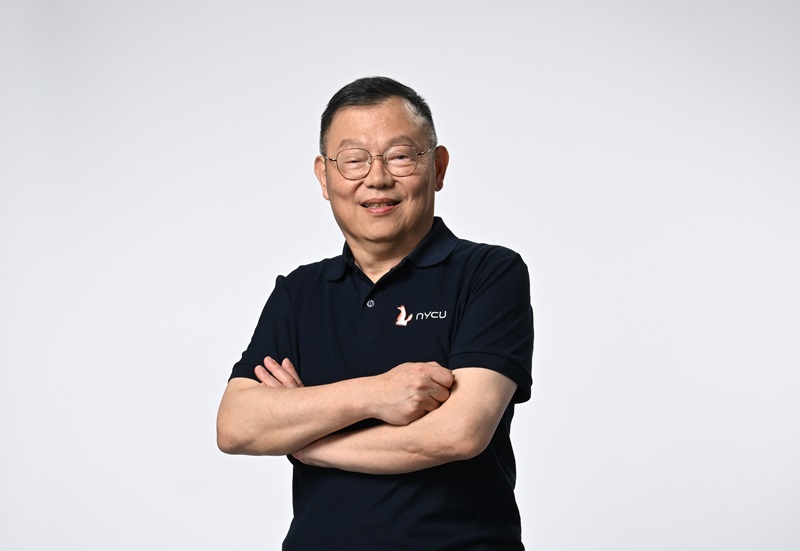
筑波集團|董事長


SEMINAR CONVENERS
分組研討會召集人
召集人
共同召集人
共同召集人
共同召集人
Program
分組議程
Day 1|2026.11.2
時間
議程/講題
演講人
主持人
09:00–09:30
報到
09:30–10:00
開幕典禮
10:00–10:50
60周年論壇
10:50–11:10
休息
11:10–12:00
60周年論壇
12:00
午餐
13:00–13:20
分組報到
13:20–13:30
召集人致詞:國立陽明交通大學林奇宏校長
13:30–14:05
筑波醫電股份有限公司
國立陽明交通大學生物醫學暨工程學院
14:05–14:40
從臨床需求到醫材創新:骨科醫療器材的創業與產業化之路
愛派司生技股份有限公司
國立陽明交通大學生物醫學暨工程學院
14:40–15:15
Department of Molecular & Medical Pharmacology, David Geffen School of Medicine at UCLA
國立陽明交通大學生物醫學暨工程學院
15:15–15:30
國立陽明交通大學生物醫學工程學系
國立陽明交通大學生物醫學暨工程學院
15:30–15:40
休息
15:40–16:15
Johnson & Johnson MedTech
國立陽明交通大學生醫光電研究所
16:15–16:50
晉弘科技股份有限公司
國立陽明交通大學生醫光電研究所
16:50–17:05
國立陽明交通大學生醫光電研究所
國立陽明交通大學生醫光電研究所
Day 2|2026.11.3
時間
議程/講題
演講人
主持人
08:30–09:30
分組報到
09:30–10:05
安盛生科股份有限公司
Institute for Systems Biology
10:05–10:40
Kura Care Inc.
Institute for Systems Biology
10:40–10:50
中場休息
10:50–11:25
台北榮總資訊室
國立陽明交通大學生物醫學暨工程學院
11:25–11:40
國立陽明交通大學生物醫學暨工程學院
國立陽明交通大學生物醫學暨工程學院
11:40
午餐
18:30–20:30
惜別晚宴
Speakers
講師
愛派司生技股份有限公司|總經理
UCLA David Geffen School of Medicine|Professor, Department of Molecular & Medical Pharmacology
國立陽明交通大學生物醫學工程學系|副教授
Johnson & Johnson MedTech|Global Technical Lead / Senior Principal Scientist, Global Biosurgery R&D
晉弘科技|執行副總經理
國立陽明交通大學生醫光電所/數位醫療學士學位學程|教授
安盛生科(iXensor)|董事長兼總經理
KURA Care Inc.|CEO / Founder
臺北榮民總醫院資訊室|主任
國立陽明交通大學生物醫學工程學系|教授兼系主任